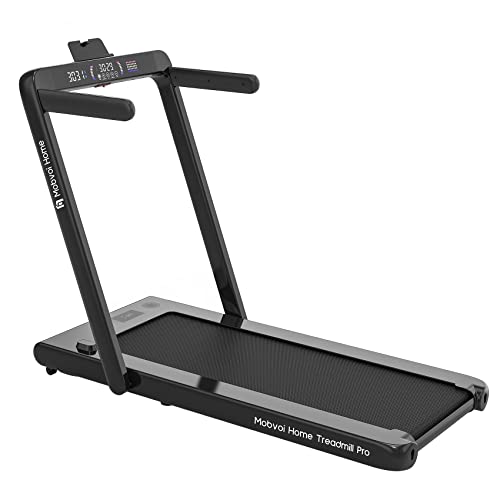
The Walking Machine: A Comprehensive Guide to Your Fitness Companion
In today's busy world, where time is a luxury, preserving a constant workout regimen can be a challenge. For many, a walking machine-- typically called a treadmill-- functions as an ideal physical fitness companion. This post offers a thorough take a look at walking machines, including their advantages, types, maintenance pointers, and regularly asked concerns.
Why Choose a Walking Machine?
Walking machines use a practical and effective method to integrate cardiovascular exercise into daily life. Here are several key advantages:
- Convenience: Walking machines enable individuals to exercise anytime, despite weather or time restrictions. They are perfect for busy schedules.
- Adaptability: Users can walk, jog, or perform at their own rate and strength.
- Security: Walking machines provide a lower danger of injury compared to outside walking or running, especially for newbies or those recuperating from injuries.
- Tracking Progress: Many treadmills included built-in monitors that track metrics like speed, distance, and calories burned.
Types of Walking Machines
When considering a walking machine, it's vital to choose the best type based on specific fitness objectives and space constraints. Below are the primary types of walking machines:
| Type | Description |
|---|---|
| Manual Treadmills | These machines do not have a motor, and users need to walk or go to turn the belt. |
| Electric Treadmills | Powered by an electric motor, enabling users to set the speed and slope easily. |
| Folding Treadmills | Developed for simple storage, these treadmills can be folded up when not in usage. |
| Desk Treadmills | Perfect for a double work and workout environment, these compact machines enable walking while working. |
| Slope Trainers | These enable users to mimic uphill walking, boosting exercise strength and calorie burn. |
Choosing the Right Walking Machine
Choosing the ideal walking machine can significantly impact inspiration and efficiency. Here are some elements to consider:
Key Features to Look For
- Motor Power: A powerful motor ensures a smooth and consistent workout. For periodic walkers, a 1.5 HP motor is generally sufficient; for much heavier use, try to find 3.0 HP and above.
- Belt Size: A wider and longer belt supplies more area for a comfy stride. Standard sizes range from 16 inches large and 50 inches long.
- Incline Options: Adjustable slope settings can imitate walking or running uphill, increasing the strength of the exercise.
- Shock Absorption: Good shock absorption decreases the threat of joint injuries and improves convenience.
- Console Features: Look for integrated exercises, heart rate monitors, and connectivity features like Bluetooth for a more appealing experience.
Spending plan Considerations
Walking machines been available in a vast array of prices, depending on features and building quality. Here's a rough spending plan breakdown:
| Price Range | Functions |
|---|---|
| Under ₤ 300 | Basic handbook or little electric treadmills with minimal features. |
| ₤ 300 - ₤ 700 | More innovative electric treadmills with slope, medium power motors, and much better warranties. |
| ₤ 700 - ₤ 1500 | Top quality electric treadmills with larger built-in screens, comprehensive functions, and warranties. |
| ₤ 1500 and above | High-end designs offering sophisticated innovation, features, and long lasting building for severe physical fitness enthusiasts. |
Maintenance Tips for Your Walking Machine
To make sure durability and optimal performance of a walking machine, think about the following upkeep suggestions:
- Regular Cleaning: Dust and sweat can collect on the machine and the belt. Wipe down the surfaces and tidy the belt routinely.
- Lubrication: Depending on the design, lubing the running belt regularly can prevent wear and tear. Examine the maker guidelines for suggested lubrication schedules.
- Examination: Periodically examine the machine for loose screws or used parts. Tighten up and change as needed.
- Calibration: Occasionally, check the calibration of your machine's metrics to ensure they provide precise data.
- Correct Use: Follow the producer's recommendations for weight limitations and operational standards.
FAQs About Walking Machines
1. Are walking machines an excellent exercise?
Yes, walking machines supply an excellent cardiovascular exercise, can aid with weight-loss, and improve general health.
2. How frequently should I use a walking machine?
Goal for at least 150 minutes of moderate-intensity aerobic activity per week, which can quickly be attained with routine sessions on a walking machine.
3. Can I drop weight on a walking machine?
Yes, including a walking machine regimen into a healthy diet plan can promote weight reduction, particularly if integrated with intervals and incline training.
4. Is it safe for senior citizens to utilize a walking machine?
Yes, walking machines can be safe for seniors with low-impact settings and security functions like hand rails. However, individuals must speak with their doctor before starting any exercise program.
5. What's the difference in between a treadmill and a walking machine?
The term "walking machine" normally describes a treadmill meant for walking, while "treadmill" can refer to machines used for various strengths, consisting of running.
With their flexibility and convenience, walking machines can significantly boost one's physical fitness journey. By carefully choosing the ideal type, ensuring correct maintenance, and incorporating various exercise techniques, users can optimize their walking machine's benefits. click through the next website to any workout program, consistency is essential to achieving long lasting physical fitness outcomes.